
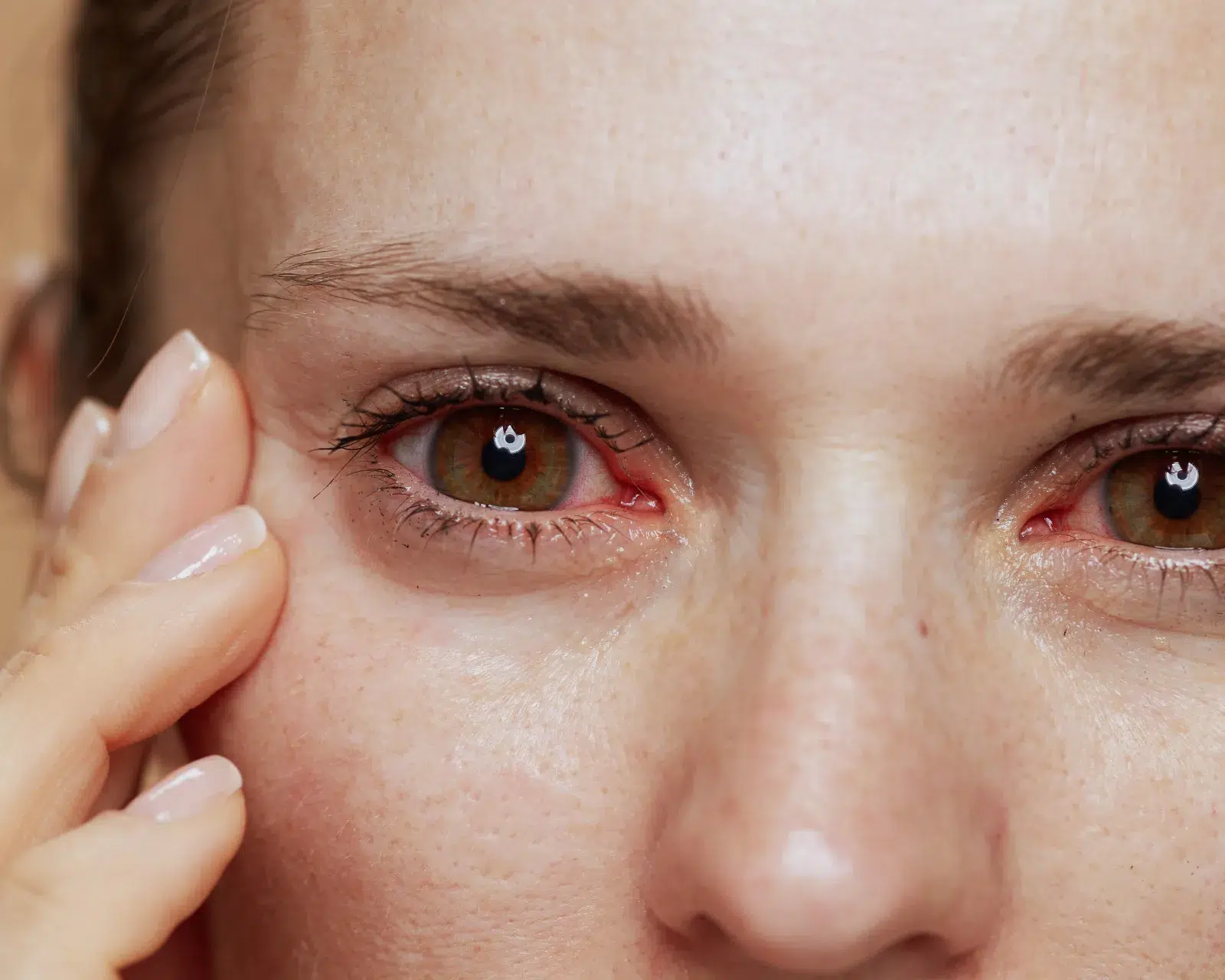
The question of dry eye vs tired eyes trips up more people than you might expect, and getting it wrong can mean months of discomfort that never quite goes away. Both conditions cause gritty, heavy, uncomfortable eyes, so it is easy to assume a screen break or an early night will fix things. Sometimes it will. Sometimes it absolutely won't.
Tired eyes are a temporary response to strain. Dry eye syndrome is a medical condition that tends to worsen without treatment. Telling them apart matters because the fixes are completely different.
In this article, we will walk you through what each one feels like, the specific signs that separate them, whether rest genuinely helps, and how to know for certain. Working with patients, we have found that once people understand the difference, they stop wasting time on remedies that were never going to work. Let us clear up the confusion.
Dry Eye vs Tired Eyes: The Quick Answer
The short version: tired eyes come from overuse and improve with rest, while dry eye stems from a problem with your tear film and persists regardless of how much you sleep. If your symptoms fade after a good night's rest, you are likely dealing with tired eyes. If they linger or get worse day after day, dry eye is the more probable culprit in the dry eye vs tired eyes debate.
| Feature | Tired Eyes | Dry Eye |
|---|---|---|
| Main cause | Strain, screens, fatigue | Poor tear quality or quantity |
| Duration | Temporary, hours | Ongoing, weeks or months |
| Does rest help? | Yes, usually resolves | No, symptoms return |
| Typical feeling | Heavy, aching, sleepy | Gritty, burning, stinging |
| Watery eyes? | Rare | Common (reflex tearing) |
| Vision changes | Mild, brief | Fluctuating, recurring |
Use this table as a starting point, then read on for the detail that helps you decide which side of the dry eye vs tired eyes line you fall on.
What Do Tired Eyes Feel Like?
Tired eyes, sometimes called eye strain or asthenopia, are your body telling you it has had enough. The muscles that control focus have been working hard, usually because you have spent hours staring at a screen, reading in dim light, or driving long distances.
The sensation is one of heaviness. Your eyelids feel weighted, there is a dull ache around and behind the eyes, and you may notice mild blurring that clears when you blink or look into the distance. Many people describe a strong urge to close their eyes and rest.
The NHS notes that eye strain often comes with headaches, sore neck and shoulders, and increased sensitivity to light. Crucially, these symptoms ease once you step away from the task. A break, a walk outside, or a night's sleep usually resets everything.
That temporary nature is the giveaway. Tired eyes respond to rest because the cause is fatigue, not a physical fault in how your eyes produce or hold moisture.
What Does Dry Eye Feel Like?
Dry eye syndrome feels different, and once you know the sensation, it is hard to mistake. Rather than heaviness, people report a gritty, sandy feeling, as though something is caught in the eye. There is often a burning or stinging quality, and it tends to be worse in the morning or by the end of the day.
Counter-intuitively, dry eyes can water. When the surface becomes irritated, your eyes flood with reflex tears that spill over but do not actually soothe the problem. This is why so many people in the dry eye vs tired eyes muddle assume watery eyes rule out dryness. They don't.
Dry eye happens when your tear film is unstable, either because you are not making enough tears or because the tears you make evaporate too quickly. The NHS links it to ageing, contact lens wear, certain medications, and long periods of screen use, which reduces how often you blink.
The defining trait is persistence. Dry eye does not clear with rest. It comes back day after day and often worsens over time without treatment.
The Key Differences Between Dry Eye and Tired Eyes
Understanding dry eye vs tired eyes comes down to three practical questions: when do symptoms appear, does rest fix them, and are there physical signs beyond general fatigue?
When Symptoms Appear and How Long They Last
Tired eyes build up during sustained effort and fade fairly quickly once that effort stops. You might feel fine in the morning, strained by mid-afternoon, and back to normal after dinner.
Dry eye follows a different pattern. Symptoms can be present from the moment you wake, ease briefly, then return. They are less about a single tiring activity and more about a constant, low-grade irritation that never fully lifts. If discomfort has stretched across weeks rather than hours, you are almost certainly not just tired.
Whether Rest Actually Helps
This is the most reliable test you can run at home. Give your eyes a break: a full night's sleep, a day away from screens, a weekend outdoors.
If you feel noticeably better, tired eyes were the issue. If the grittiness and burning return the moment you resume your normal routine, or never left at all, that points firmly towards dry eye. Rest treats fatigue, but it cannot repair an unstable tear film.
Physical Signs vs General Fatigue
Tired eyes rarely show obvious physical signs beyond looking a little bloodshot. Dry eye, by contrast, can produce visible redness, crusting along the lash line, stringy mucus, and inflamed eyelid margins.
There is also the matter of your vision. Tired eyes may blur briefly, but dry eye causes vision that fluctuates and clears each time you blink, then smears again seconds later. That blink-dependent flickering is a strong marker of a tear film problem rather than simple fatigue.
Can You Have Both?
Yes, and this is where the dry eye vs tired eyes picture gets genuinely tricky. The two conditions overlap and often feed each other.
Long hours at a screen are a classic trigger for both. Concentrating on a display cuts your blink rate by more than half, which strains the focusing muscles and dries the eye surface at the same time. So you end up tired and dry, with symptoms from each blurring into one uncomfortable whole.
In our experience, people with underlying dry eye notice their symptoms far more when they are also tired. The fatigue lowers their tolerance, and the dryness has nowhere to hide. Treating only one side of the equation, resting your eyes while ignoring the tear film, leaves you frustrated and only half better.
This is exactly why self-diagnosis has limits. If your symptoms won't settle despite plenty of rest, assuming it is "just tiredness" can delay treatment for a condition that responds well to it.

How to Know for Certain
The honest answer is that a home checklist takes you only so far. The single most reliable way to settle the dry eye vs tired eyes question is a professional assessment of your tear film.
A specialist dry eye assessment looks at how quickly your tears evaporate, whether your oil-producing glands are working, and the overall health of your eye surface. These are things you simply cannot judge from a mirror. The measurements give a clear answer and, more usefully, point to the exact cause so treatment can target it rather than guess.
If you have been living with gritty, sore, or fluctuating vision that rest does not shift, that is your cue to book an assessment. You can learn more about what a dry eye appointment involves and explore our wider guidance on managing dry eye on our site.
Getting a definitive answer means you stop guessing and start treating the right problem.
Conclusion
The core of the dry eye vs tired eyes distinction is simple: tired eyes are temporary and respond to rest, while dry eye persists and needs treatment. Watch for grittiness, burning, watering, and blink-dependent blurring that hangs around week after week; those signs lean towards dry eye rather than fatigue.
You can have both at once, and screen-heavy days make that combination more likely, which is why symptoms can feel so confusing. When rest stops working, it is time to look deeper.
If your eyes have been uncomfortable for longer than a few weeks, a specialist dry eye assessment will give you the certainty a home guess never can. Book yours today and find out exactly what is behind your symptoms.

